The dark side of the moon
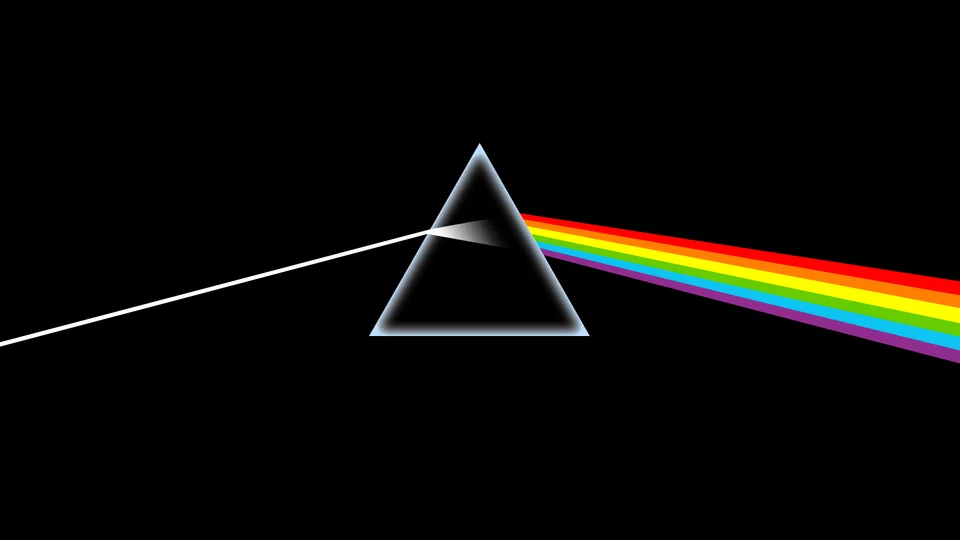 The Dark Side of the Moon is the band's eighth studio album.
british of
rock
progressive Pink Floyd, released on March 1, 1973. The album marks a new phase in the sound
of
band,
with
more personal lyrics and minor instrumentals, containing some of the most complicated uses
of the
instruments
and sound effects existing at the time, including the sound of someone running around a
microphone and
The
recording of multiple clocks playing at the same time.The themes explored in the work are
varied and personal, including greed, mental illness and
aging,
inspired mainly by the departure of Syd Barrett, a member who left the group in 1968
after
what
his mental health deteriorated. The basic concept of the album was developed when the band
I was
tour, and much of the new material was performed live, long before it was recorded. The band
produced the
work at London's Abbey Road Studios in different sessions in 1972 and 1973 alongside
producer
Alan
Parsons, directly responsible for the development of the most exotic sound elements
gifts
at the
disc, and the cover, which features a prism being hit by a beam of light, transforming it
into a
rainbow,
was developed to symbolize the complexity that the band's sound hid behind its
appearance
simple.
The Dark Side of the Moon is the band's eighth studio album.
british of
rock
progressive Pink Floyd, released on March 1, 1973. The album marks a new phase in the sound
of
band,
with
more personal lyrics and minor instrumentals, containing some of the most complicated uses
of the
instruments
and sound effects existing at the time, including the sound of someone running around a
microphone and
The
recording of multiple clocks playing at the same time.The themes explored in the work are
varied and personal, including greed, mental illness and
aging,
inspired mainly by the departure of Syd Barrett, a member who left the group in 1968
after
what
his mental health deteriorated. The basic concept of the album was developed when the band
I was
tour, and much of the new material was performed live, long before it was recorded. The band
produced the
work at London's Abbey Road Studios in different sessions in 1972 and 1973 alongside
producer
Alan
Parsons, directly responsible for the development of the most exotic sound elements
gifts
at the
disc, and the cover, which features a prism being hit by a beam of light, transforming it
into a
rainbow,
was developed to symbolize the complexity that the band's sound hid behind its
appearance
simple.
The Wall
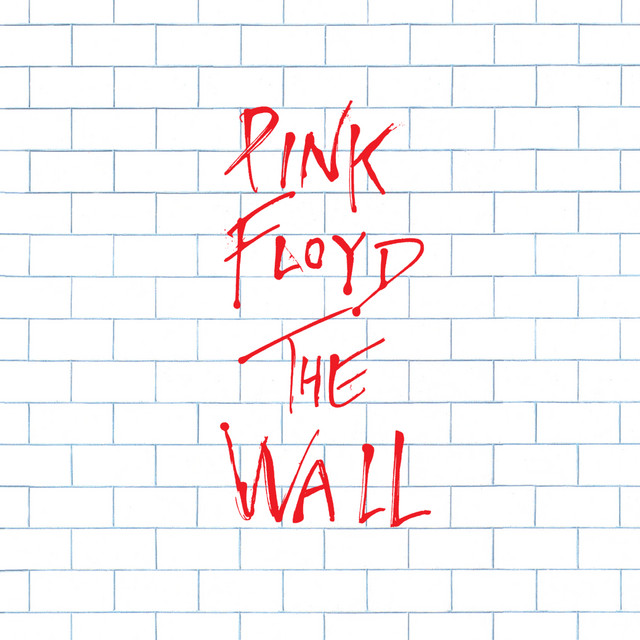 Pink Floyd – The Wall is an animated/action psychological musical drama film
live
1982 British album directed by Alan Parker, based on the Pink Floyd album of the same name
by
1979 . O
screenplay was written by Pink Floyd vocalist and bassist Roger Waters. The vocalist of
Boomtown
rats
, Bob Geldof , plays rock star Pink, who, deranged by his father's death,
builds
one
physical and emotional wall to protect yourself.
Like its companion album, the film is highly metaphorical and frequently uses symbols.
visual and
hearing aids throughout the runtime. It has little dialogue, instead it is driven
for the
music
from the album. The songs used in the film have several differences from the album versions,
and
one of
songs included, "When the Tigers Broke Free", does not appear on the album. despite your
production
turbulent, the film received generally positive reviews and has an established cult
following among
The fans
of
Pink Floyd, although their reception of the band itself was less favourable.
Pink Floyd – The Wall is an animated/action psychological musical drama film
live
1982 British album directed by Alan Parker, based on the Pink Floyd album of the same name
by
1979 . O
screenplay was written by Pink Floyd vocalist and bassist Roger Waters. The vocalist of
Boomtown
rats
, Bob Geldof , plays rock star Pink, who, deranged by his father's death,
builds
one
physical and emotional wall to protect yourself.
Like its companion album, the film is highly metaphorical and frequently uses symbols.
visual and
hearing aids throughout the runtime. It has little dialogue, instead it is driven
for the
music
from the album. The songs used in the film have several differences from the album versions,
and
one of
songs included, "When the Tigers Broke Free", does not appear on the album. despite your
production
turbulent, the film received generally positive reviews and has an established cult
following among
The fans
of
Pink Floyd, although their reception of the band itself was less favourable.
wish you were here
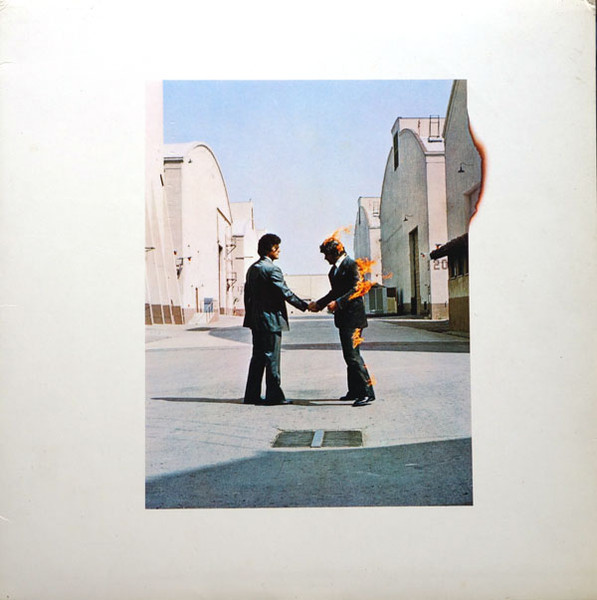 Wish You Were Here is the ninth studio album by British progressive rock band Pink Floyd,
released in September 1975. Inspired by material composed by the group while touring Europe,
it was recorded after numerous sessions at Abbey Road Studios in London. . The album
explores themes such as absence, the music industry and the mental deterioration of Syd
Barrett, one of the band's founders. "Shine On You Crazy Diamond", in two parts, uniting
them with new compositions. "Shine On" is a tribute to Barrett,[5][7][8] who,
coincidentally, paid a visit to the studio while it was being recorded. The band was unable
to immediately recognize him, as he had gained weight and undergone changes in his
appearance.
As with their previous work, The Dark Side of the Moon, the band made use of studio effects
and synthesizers. The album's graphic design, again done by Storm Thorgerson, contained a
black sleeve hidden in the album art. Wish You Were Here debuted at a concert held in
Knebworth in July 1975 and was released in September of that year, becoming an instant hit.
As a result, the EMI label was unable to manufacture enough copies to satisfy the demand for
the disc. Although initially the album received mixed reviews, it was acclaimed by experts,
being listed at number 209 in Rolling Stone's "500 Best Albums Ever". David Gilmour and
Richard Wright have both stated that it is their favorite album by the band.
Wish You Were Here is the ninth studio album by British progressive rock band Pink Floyd,
released in September 1975. Inspired by material composed by the group while touring Europe,
it was recorded after numerous sessions at Abbey Road Studios in London. . The album
explores themes such as absence, the music industry and the mental deterioration of Syd
Barrett, one of the band's founders. "Shine On You Crazy Diamond", in two parts, uniting
them with new compositions. "Shine On" is a tribute to Barrett,[5][7][8] who,
coincidentally, paid a visit to the studio while it was being recorded. The band was unable
to immediately recognize him, as he had gained weight and undergone changes in his
appearance.
As with their previous work, The Dark Side of the Moon, the band made use of studio effects
and synthesizers. The album's graphic design, again done by Storm Thorgerson, contained a
black sleeve hidden in the album art. Wish You Were Here debuted at a concert held in
Knebworth in July 1975 and was released in September of that year, becoming an instant hit.
As a result, the EMI label was unable to manufacture enough copies to satisfy the demand for
the disc. Although initially the album received mixed reviews, it was acclaimed by experts,
being listed at number 209 in Rolling Stone's "500 Best Albums Ever". David Gilmour and
Richard Wright have both stated that it is their favorite album by the band.
Animals
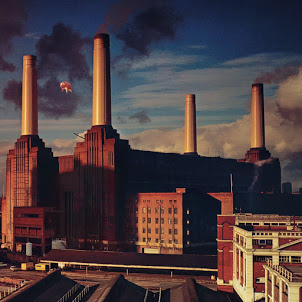 Animals is the tenth studio album by English progressive rock band Pink Floyd, released in
January 1977. Following the line of previous albums, The Dark Side of the Moon and Wish You
Were Here, this is also a concept album, which makes criticism of political and social
conditions in England in the 1970s, in addition to presenting a notable change in the
group's musical style. Animals was recorded at the band's studios, Britannia Row Studios, in
London and its production was marked by the first signs of discord that would later
culminate in the departure of keyboardist Richard Wright from the band. The cover of the
album, a pig flying between two chimneys of the Battersea Power Station, was designed by
bassist and lyricist Roger Waters, together with Storm Thorgerson and the agency Hipgnosis,
a longtime collaborator of the group.
The album was released to generally positive reviews in the UK, where it peaked at number
two on the local music chart. It was also successful in the United States, reaching number
three on the Billboard charts and, although it had only spent six months on the North
American charts, its sales earned it a quadruple platinum certification by the Recording
Industry Association of America. . The size of venues the band played at on the In the Flesh
tour and an incident in which Waters spat on a fan were major catalysts for the bassist to
develop The Wall, the band's follow-up album.
Animals is the tenth studio album by English progressive rock band Pink Floyd, released in
January 1977. Following the line of previous albums, The Dark Side of the Moon and Wish You
Were Here, this is also a concept album, which makes criticism of political and social
conditions in England in the 1970s, in addition to presenting a notable change in the
group's musical style. Animals was recorded at the band's studios, Britannia Row Studios, in
London and its production was marked by the first signs of discord that would later
culminate in the departure of keyboardist Richard Wright from the band. The cover of the
album, a pig flying between two chimneys of the Battersea Power Station, was designed by
bassist and lyricist Roger Waters, together with Storm Thorgerson and the agency Hipgnosis,
a longtime collaborator of the group.
The album was released to generally positive reviews in the UK, where it peaked at number
two on the local music chart. It was also successful in the United States, reaching number
three on the Billboard charts and, although it had only spent six months on the North
American charts, its sales earned it a quadruple platinum certification by the Recording
Industry Association of America. . The size of venues the band played at on the In the Flesh
tour and an incident in which Waters spat on a fan were major catalysts for the bassist to
develop The Wall, the band's follow-up album.
Meddle
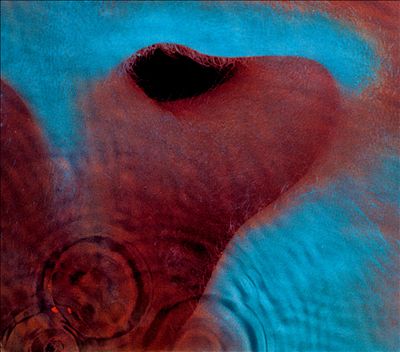 Animals is the tenth studio album by English progressive rock band Pink Floyd, released in
January 1977. Following the line of previous albums, The Dark Side of the Moon and Wish You
Were Here, this is also a concept album, which makes criticism of political and social
conditions in England in the 1970s, in addition to presenting a notable change in the
group's musical style. Animals was recorded at the band's studios, Britannia Row Studios, in
London and its production was marked by the first signs of discord that would later
culminate in the departure of keyboardist Richard Wright from the band. The cover of the
album, a pig flying between two chimneys of the Battersea Power Station, was designed by
bassist and lyricist Roger Waters, together with Storm Thorgerson and the agency Hipgnosis,
a longtime collaborator of the group.
The album was released to generally positive reviews in the UK, where it peaked at number
two on the local music chart. It was also successful in the United States, reaching number
three on the Billboard charts and, although it had only spent six months on the North
American charts, its sales earned it a quadruple platinum certification by the Recording
Industry Association of America. . The size of venues the band played at on the In the Flesh
tour and an incident in which Waters spat on a fan were major catalysts for the bassist to
develop The Wall, the band's follow-up album.
Animals is the tenth studio album by English progressive rock band Pink Floyd, released in
January 1977. Following the line of previous albums, The Dark Side of the Moon and Wish You
Were Here, this is also a concept album, which makes criticism of political and social
conditions in England in the 1970s, in addition to presenting a notable change in the
group's musical style. Animals was recorded at the band's studios, Britannia Row Studios, in
London and its production was marked by the first signs of discord that would later
culminate in the departure of keyboardist Richard Wright from the band. The cover of the
album, a pig flying between two chimneys of the Battersea Power Station, was designed by
bassist and lyricist Roger Waters, together with Storm Thorgerson and the agency Hipgnosis,
a longtime collaborator of the group.
The album was released to generally positive reviews in the UK, where it peaked at number
two on the local music chart. It was also successful in the United States, reaching number
three on the Billboard charts and, although it had only spent six months on the North
American charts, its sales earned it a quadruple platinum certification by the Recording
Industry Association of America. . The size of venues the band played at on the In the Flesh
tour and an incident in which Waters spat on a fan were major catalysts for the bassist to
develop The Wall, the band's follow-up album.